Updated 2026-09-11
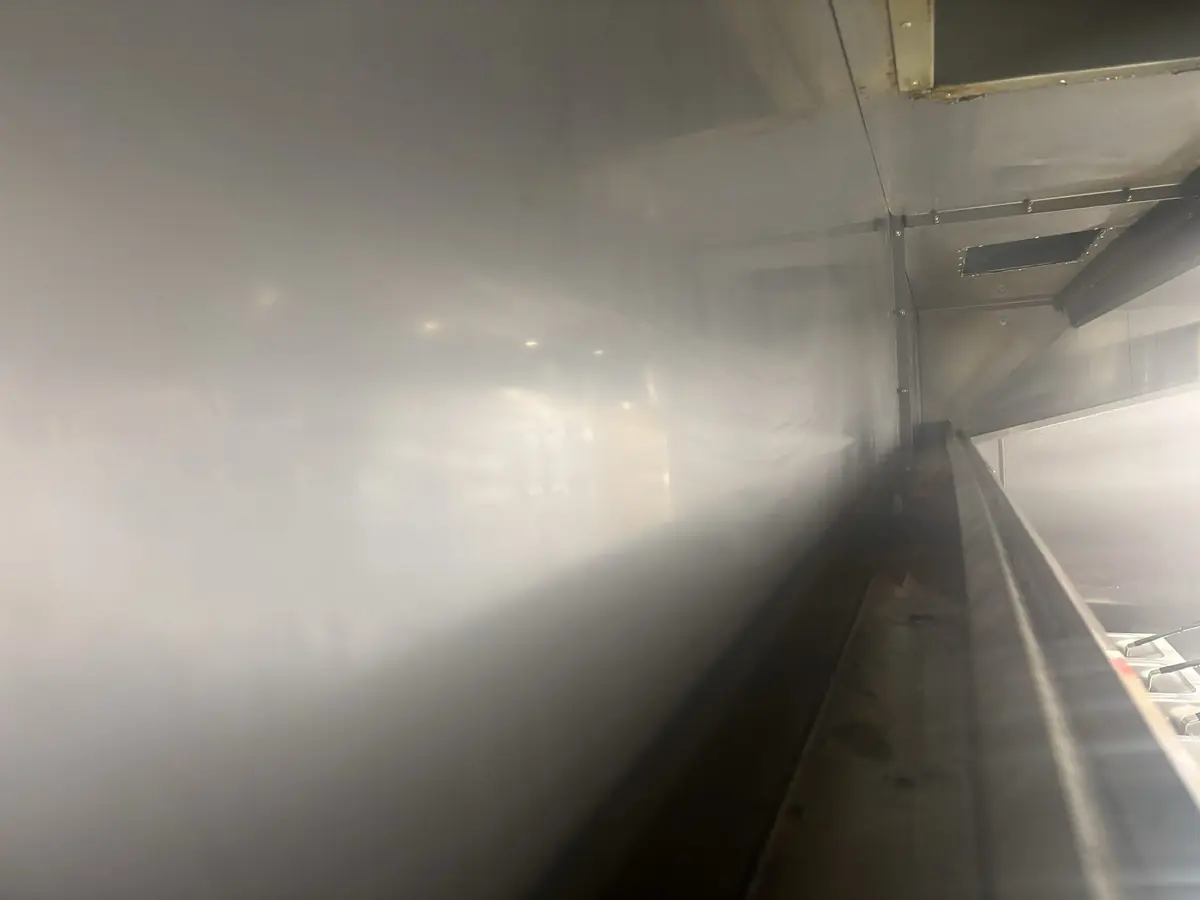
Environmental health officers work for the local council and inspect food businesses under food hygiene law. Their visits are usually unannounced, their frequency is set by the risk rating of the premises, and their findings feed the hygiene rating on the door. The kitchen extract is not the centre of an inspection, but it is part of it, and a greasy canopy or an absent cleaning record can pull a rating down and prompt questions about how the rest of the kitchen is run. This guide explains what officers look at, which scheme applies where, and how to be ready.
The two rating schemes
| Food Hygiene Rating Scheme (FHRS) | Food Hygiene Information Scheme (FHIS) | |
|---|---|---|
| Where | England, Wales and Northern Ireland | Scotland |
| Run by | Food Standards Agency with local authorities | Food Standards Scotland with local authorities |
| Result | A rating from 0 (urgent improvement necessary) to 5 (very good) | "Pass" or "Improvement Required" |
| Display | Mandatory in Wales and Northern Ireland; voluntary in England | Voluntary |
| Basis | Three elements: hygienic food handling; cleanliness and condition of facilities and building; management of food safety | Compliance with food hygiene law at the time of inspection |
Where the extract sits in the assessment
Under the FHRS, the extract falls within the second element, the cleanliness and condition of facilities and building, which covers the physical state of the premises including layout, lighting, ventilation and pest control as well as cleanliness. An officer will look at the canopy, the filters and the plenum, note visible grease, drips or staining, and consider whether ventilation is adequate for the cooking taking place. Grease dripping from a canopy onto food preparation surfaces is a contamination hazard as well as a fire risk, and it is the point at which the extract stops being a background item and starts affecting the score. Under the FHIS in Scotland the same physical conditions are assessed against the hygiene regulations, with a Pass depending on overall compliance.
What the officer will ask for
- When the extract system was last professionally cleaned, and the TR19 certificate or report showing it.
- How often the filters are cleaned by staff, and whether there is a log or checklist.
- Whether the ductwork and fan, not just the canopy, are included in the specialist clean.
- Where a kitchen has changed its menu or hours, whether the cleaning interval has kept pace.
Officers are not fire inspectors and do not measure grease, but many councils' food safety teams are aware of TR19 Grease and use its frequency bands as a reference: every three months for heavy use at twelve to sixteen cooking hours a day, six months for moderate use, twelve months for light use. A kitchen that can produce a report within the right interval closes the subject quickly, and the same document is what an insurer's loss adjuster will ask for after a fire, so one well-kept file serves both.
What happens if the extract is poor
A visibly grease-laden system will be recorded as a deficiency and will cost points in the structure element, which can be enough to drop a rating from 5 to 4 or lower depending on what else is found. Where conditions are bad enough to risk contamination, the officer can serve a hygiene improvement notice requiring the extract to be cleaned within a set period, and failure to comply is an offence. Environmental health also shares concerns with the fire and rescue service, so a poor extract can turn a hygiene visit into a fire safety inspection, with the Fire Safety Order behind it.
The rating and your trade
In Wales and Northern Ireland the rating must be displayed, and in England most businesses display it because customers look for it online before they visit. A 3 where there used to be a 5 costs bookings, and appealing or requesting a re-inspection takes time. The extract is one of the easiest elements to keep right, because it is done for you by a contractor on a schedule, and one of the most visible when it goes wrong.
Being ready for the visit
- Keep the latest TR19 certificate and post-clean report in the food safety file, with previous reports behind it.
- Keep a filter cleaning log and make sure the filters are actually clean on the day.
- Wipe canopy surfaces daily and check the plenum for drips.
- Diarise the next due date and book the clean before it, not after.
- If the kitchen has moved up a usage band, shorten the interval and tell the contractor.
Sector notes
Officers inspecting care homes and school kitchens often work alongside the care regulator or the local authority catering team, and both expect the same records. Takeaways are inspected more often than most because their risk rating is higher, and their heavy-use kitchens load ductwork fastest. Restaurants with open kitchens have the extract in full view of both the officer and the customers.
Getting the record in order
If your extract has not been cleaned within its interval, or you have no report to show, we can arrange a TR19 clean through a vetted local contractor, usually quoted within a working day and carried out overnight so trade is not affected. Request a quote and have the certificate in the file before the next unannounced visit.
Read next: Grease Fire Risk · Choosing a Contractor · TR19 Certificate
Frequently asked questions
Will the EHO ask to see my TR19 certificate?
In most inspections, yes, or at least ask when the extract was last cleaned professionally, which amounts to the same thing. The certificate is the quickest way to answer, and a report showing the ductwork and fan were cleaned within the correct interval removes the extract from the officer's list of concerns. Keep it in the food safety file rather than the accountant's.
Can a dirty extract lower my food hygiene rating?
Yes. Extract cleanliness is assessed within the cleanliness and condition of facilities element of the Food Hygiene Rating Scheme, and visible grease, drips or inadequate ventilation cost points there. On its own it may not drop a rating far, but combined with other findings it can, and grease dripping onto food surfaces is treated as a contamination risk in its own right.
Does the EHO check the ductwork or only the canopy?
Officers look at what they can see, which is the canopy, filters and plenum, and they ask about the rest. They do not open ducts or take grease readings; that is the contractor's job under TR19. The report is how you demonstrate that the ductwork and fan, which the officer cannot see, have been cleaned and measured.
How is extract handled under the Scottish scheme?
Scotland uses the Food Hygiene Information Scheme, run by Food Standards Scotland with the councils, which awards a Pass or records Improvement Required rather than a number. Extract cleanliness is assessed as part of the physical condition of the premises against the Food Hygiene (Scotland) Regulations 2006, and officers will ask for the cleaning record in the same way as elsewhere in the UK.