Updated 2026-09-11
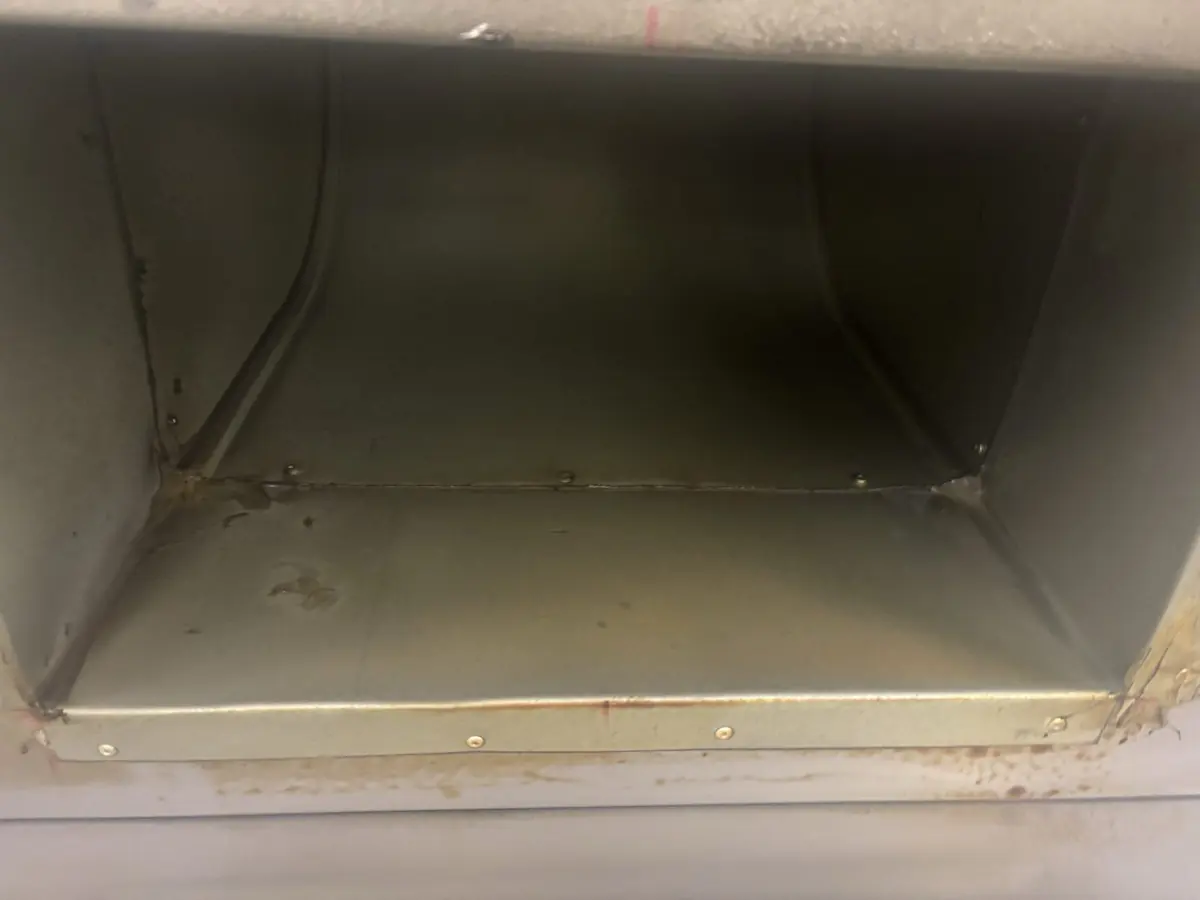
TR19 Grease is the specification published by BESA, the Building Engineering Services Association, for the fire risk management of grease accumulation within kitchen extract systems. It defines what a commercial kitchen extract clean has to cover, how often it should happen, how cleanliness is measured and what has to be written down afterwards. If you run any business that cooks, it is the standard your insurer, your fire risk assessor and your environmental health officer will hold you to, whether or not they name it.
Where it came from
BESA's TR19 guide to the internal cleanliness of ventilation systems has existed for decades and originally covered kitchen extract as one section among many. In 2019 the kitchen content was separated into a standalone document, TR19 Grease, so that the fire-specific requirements could be made more precise and tied to a competence scheme for the people doing the work. General ventilation ductwork is now dealt with by TR19 Air. The split matters because a kitchen extract clean is a fire safety task first and a hygiene task second, and the specification is written accordingly.
What the specification covers
TR19 Grease treats the extract as a single system running from the cooking line to the outside air. Every element is in scope:
- the canopy, its grease filters and the plenum chamber behind them;
- the ductwork, horizontal and vertical, including bends, changes of section and any run through a loft or riser;
- the extract fan, its impeller and housing;
- the discharge duct and terminal on the roof or wall.
Design and installation are outside it; those belong to DW/172. Fire suppression systems over the range are separate again. TR19 Grease is about keeping an existing system clean enough not to burn.
The numbers that matter
Four figures do most of the work in the specification.
| Figure | Meaning |
|---|---|
| 200 µm | The mean grease deposit thickness across the system at which cleaning is required |
| 3 months | The interval for heavy use, defined as twelve to sixteen hours of cooking a day |
| 6 months | The interval for moderate use, six to twelve hours a day |
| 12 months | The interval for light use, two to six hours a day |
The intervals are baselines rather than absolutes. A competent person can shorten them for solid-fuel cooking, wok ranges or systems with long horizontal runs, or in rare cases lengthen them where measured readings justify it. Insurers, however, tend to write the baseline into the policy, so anyone stretching an interval should have the readings to prove it was reasonable. The cleaning frequency guide walks through the classification.
How cleanliness is measured
TR19 Grease replaced the older habit of judging a duct by eye with two measurement methods. The Wet Film Thickness Test uses a comb gauge pressed into the deposit to read its depth in microns. The Deposit Thickness Test uses a depth gauge for the same purpose on thicker or dried deposits. Readings are taken at set points in each section of the system before cleaning, to establish whether the 200 µm trigger has been reached, and again afterwards, to verify the clean. A post-clean mean in the region of 50 µm is the level contractors work to. Without readings, a report is an opinion.
Competence and the Vent Hygiene Elite scheme
The 2019 rewrite introduced minimum competence for the people carrying out the work: technicians are expected to hold the BESA Grease Hygiene Technician qualification. Alongside it, BESCA, the association's certification arm, runs the Vent Hygiene Elite scheme and the Vent Hygiene Register. Registered contractors are audited, log each clean through a portal and can issue a scheme certificate for it. Registration is not compulsory, but it is the clearest signal that a contractor works to the specification, and it is one of the things we check when vetting the specialists we arrange work through.
What has to be documented
The specification requires a post-clean report containing the pre- and post-clean readings for each section, photographs before and after at every access point, a note of the access panels used or fitted, any sections that could not be cleaned and why, and the date the next clean falls due. This is the document commonly called the TR19 certificate. It is what a loss adjuster asks for after a fire, and the reason a clean carried out to the specification is worth more than a cheaper one that is not.
Why it exists
Grease vapour from cooking condenses on the cooler surfaces of the duct, most heavily in the first few metres and at the fan. Once the layer is thick enough, a flare-up on the range or a hot ember from a charcoal grill can ignite it, and the duct then carries the fire through walls, ceilings and roof voids that were never designed to contain it. The grease fire risk guide describes how these fires develop. TR19 Grease is the industry's answer: keep the fuel load below a measured limit, on a schedule, with evidence.
Arranging a clean to TR19 Grease
Extract Cleaning UK arranges cleans to this specification through vetted local contractors across England and Scotland, with Wales served by our three regional sites. Tell us what and how long you cook and we will match you with a specialist who measures, cleans, photographs and certifies, send you their quote before you commit, and remind you before the next interval ends.
Read next: TR19 vs NAAD21 · Cleaning Frequency · Kitchen Extract Cleaning Cost
Frequently asked questions
Is TR19 Grease a British Standard?
No. British Standards are published by BSI; TR19 Grease is published by BESA, a trade association for building engineering services. It has the status of an industry specification and guide to good practice. That has not stopped insurers, fire services and environmental health officers from adopting it as the reference point, which is why it functions as the de facto national standard for kitchen extract cleaning.
How is TR19 Grease different from TR19 Air?
TR19 Grease deals with kitchen extract systems, where the hazard is flammable grease and the priority is fire safety. TR19 Air deals with general ventilation and air conditioning ductwork, where the concern is dust, microbial growth and indoor air quality. A restaurant needs TR19 Grease for its extract; an office block needs TR19 Air for its supply and return ductwork.
What is the 200 micron rule?
It is the threshold in TR19 Grease at which a system requires cleaning: when the mean grease deposit thickness across the measured points reaches 200 µm, the fuel load is considered high enough to need removal. The figure is measured with a Wet Film Thickness Test or Deposit Thickness Test rather than estimated, and both the pre-clean and post-clean readings appear in the report.
Does TR19 Grease say who can carry out the clean?
It sets competence expectations rather than a licence. Technicians should hold the BESA Grease Hygiene Technician qualification or an equivalent, and the contractor should be able to measure deposits, fit access panels and produce the required report. Membership of the Vent Hygiene Register is voluntary but is the most reliable indicator that a company works to the specification.