Updated 2026-09-11
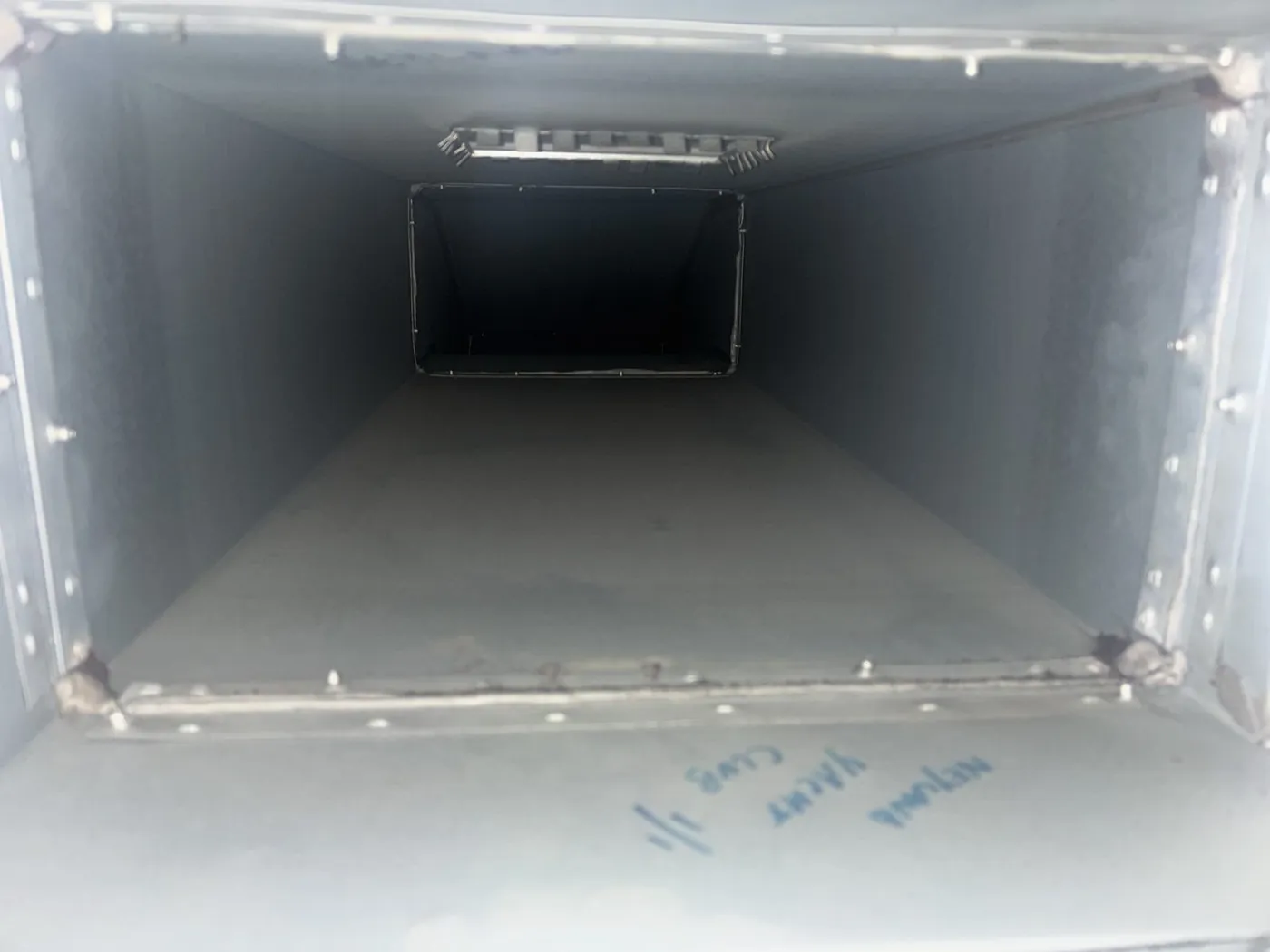
When a kitchen extract clean is finished, the contractor leaves behind two things: a clean system and a report. The system will be dirty again within weeks; the report is what you will still have when an insurer, an environmental health officer or a fire risk assessor asks what was done. TR19 Grease is precise about what the report must contain, and a document that skips any of it will not do its job. Use this page as a checklist when the report arrives, before the invoice is paid.
Report and certificate
The certificate is the summary: system, date, standard, result, next due. The post-clean report is the evidence behind it: the readings, the photographs and the notes. Some contractors present them as one document, others as a certificate with a report attached, and Vent Hygiene Elite members may add a BESCA scheme certificate generated from their portal. Whatever the format, a certificate without the underlying report is a claim without proof, and it is the report that a loss adjuster reads.
The checklist
| Section | What it must contain | Check |
|---|---|---|
| Site and system | Address, contact, each system identified separately, a schematic or description of the route from canopy to discharge | Can you tell which canopy is which on a multi-kitchen site? |
| Standard and usage band | TR19 Grease stated; the usage band assigned with the cooking hours it is based on | Does the band match your real hours? |
| Pre-clean readings | Wet Film Thickness Test or Deposit Thickness Test results at set points in each section, with the mean for the system | Are there readings for the ductwork and fan, not just the canopy? |
| Post-clean readings | The same points measured after cleaning, showing the system returned to an acceptable level | Do the post-clean figures sit well below the 200 µm trigger? |
| Photographs | Before and after images of the canopy, filters, plenum, every access point along the duct, the fan and impeller, and the discharge | Is every access point pictured twice? |
| Access | Panels used, panels fitted during the visit, and their positions on the schematic | Were new panels needed, and were they fitted? |
| Uncleaned sections | Any part of the system not cleaned, the reason (no access, structural, unsafe, tenant refusal) and a recommendation to resolve it | If nothing is listed, was the whole run reached? |
| Observations | Damaged filters, missing fire stopping, fan condition, grease leaks, suppression nozzles obstructed | Is there anything you need to act on? |
| Next due date | Calculated from the usage band: three months for heavy use, six for moderate, twelve for light | Is it in your diary? |
| Contractor details | Company, technician names and competence, insurance, signature and date | Does it match the company you booked? |
Reading the grease readings
The pre-clean figures tell you how quickly your system loads. If a moderate-use kitchen shows a mean well above 200 µm at six months, the interval is too long for the way you cook and the next one should be shorter. If the readings are modest, the band is right. The post-clean figures verify the work; a mean in the region of 50 µm is what contractors work to, and anything close to the trigger after a clean means the job was not finished. Readings should be given per section, because a clean duct near the discharge tells you nothing about the first three metres behind the canopy where most of the grease sits.
Reading the photographs
Every access point should appear twice, before and after, and the pairs should be obviously the same location. Look for the fan impeller and housing, which are the most common ignition point and the part most often skipped. Look for the inside of the duct, not the outside of the panel. Photographs should be dated. A report that shows a shining canopy and nothing else is describing a canopy clean, not an extract clean, whatever the invoice says.
Uncleaned sections are not a failure of the report
A contractor who records that a section could not be reached, with the reason and a recommendation, is doing the job properly; a section you know about can be fixed by fitting a panel or arranging access with a neighbour. The failure is the report that stays silent and lets you believe the whole run was cleaned. If an uncleaned section is listed, act on the recommendation before the next visit, and keep the correspondence, because a loss adjuster will ask what you did about it.
Storing and sharing the report
Keep every report for the life of the business, in a place that survives a fire in the kitchen office: the cloud, head office or a broker's file. Send a copy to your landlord if the lease requires it, and have it ready for the environmental health officer, who will usually ask to see it during a routine inspection. Insurers rarely ask for it until a claim, which is when it matters most; the insurance requirements guide describes what happens then.
If the report falls short
Raise it with the contractor before paying. A reputable specialist will supply missing photographs or readings if they have them and will return to complete the work if they do not. If they cannot produce readings at all, the clean was not verified and the report is not a TR19 report. The choosing a contractor guide explains how to avoid the situation next time.
Reports from the contractors we arrange
The specialists we match you with produce this document as standard, and we check that it has arrived with readings, photographs and a next-due date before we close the job. If you have an existing report you are unsure about, or a system that has never had one, ask us for a quote for a TR19 inspection and we will arrange a specialist to survey it.
Read next: EHO Inspections · Grease Fire Risk · Choosing a Contractor
Frequently asked questions
How long should a post-clean report be?
Long enough to show every section of the system before and after, which for a single canopy with a short run might be a dozen pages and for a hotel with several kitchens can run to fifty or more. Length is not the test; coverage is. A short report with readings and paired photographs for every access point beats a long one padded with generic text about TR19.
Should the report include a drawing of the ductwork?
Yes, or at least a clear description of the route with access points marked. A schematic lets anyone reading the report relate each photograph and reading to a position on the run, shows where new panels were fitted, and makes uncleaned sections easy to locate. It also saves the next contractor surveying from scratch.
What if the contractor only sends a one-page certificate?
Ask for the report behind it. The certificate on its own asserts that the system was cleaned to TR19; it does not show it. If the contractor cannot produce readings and photographs, the clean was not verified in the way the specification requires and you should treat the certificate with caution. Insist on the full document before the next visit is booked.
Do I need to send the report to anyone?
Usually only if your lease, franchise agreement or insurer asks for it. Keep it on file and produce it on request during environmental health inspections, insurance surveys and fire safety audits. Some brand standards and care home group policies require it to be uploaded to a compliance system; check your own requirements, and keep a copy off site in any case.