Updated 2026-09-11
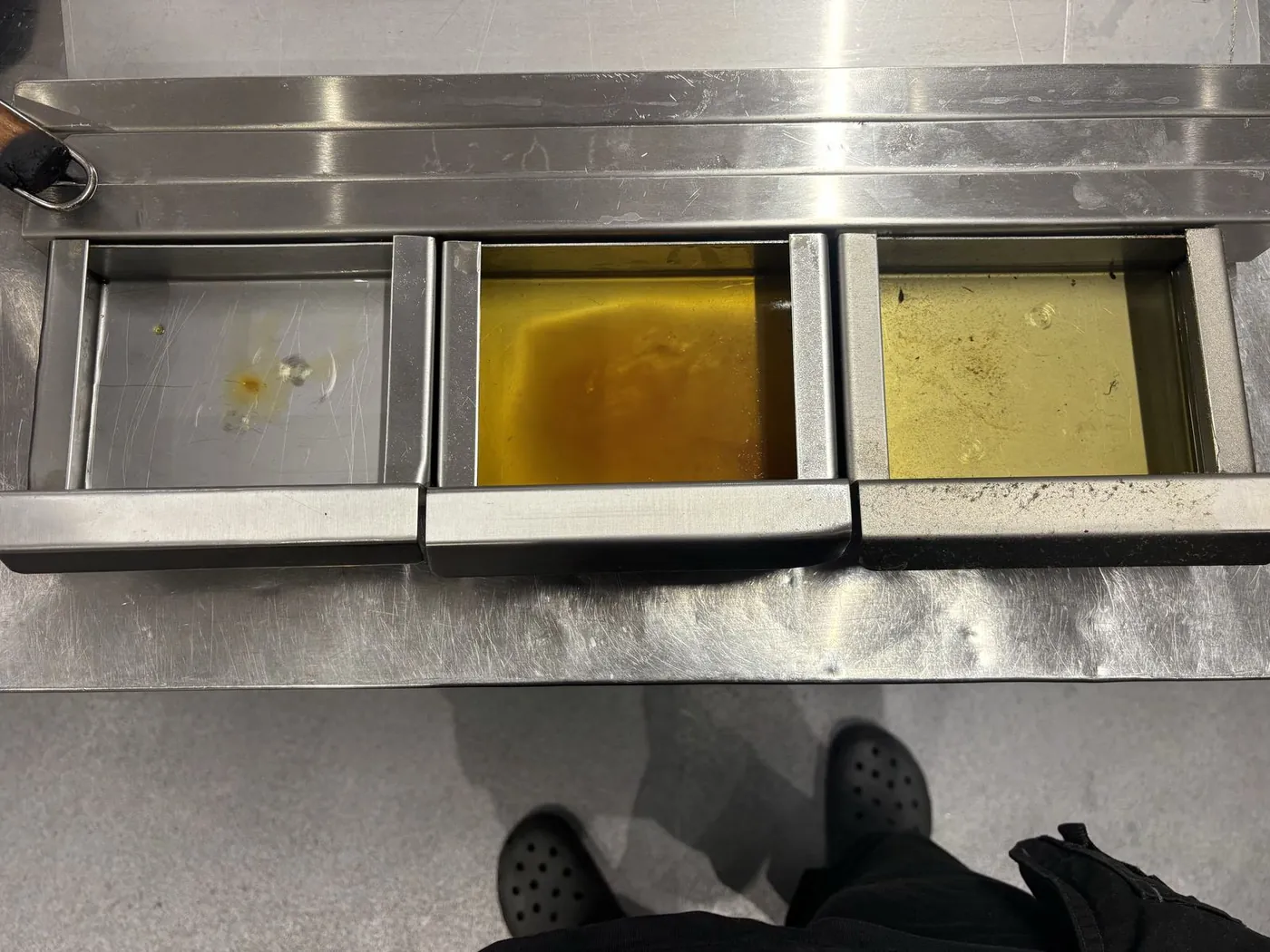
The interval between kitchen extract cleans is not a matter of opinion or of how the canopy looks. TR19 Grease, the BESA specification that insurers and fire risk assessors treat as the benchmark, sets it from the number of hours a day the kitchen cooks. Get the band right and the rest of your compliance follows; get it wrong and every certificate you hold is dated incorrectly.
The TR19 Grease frequency table
| Usage band | Hours of cooking per day | Clean at least every | Typical kitchens |
|---|---|---|---|
| Heavy | 12 to 16 hours | 3 months | Takeaways trading lunch to late, hotel main kitchens, motorway services, charcoal and wok cooking, busy fried-chicken and pizza outlets |
| Moderate | 6 to 12 hours | 6 months | Most restaurants and gastropubs, care home kitchens, hospital catering, large cafes, staff restaurants |
| Light | 2 to 6 hours | 12 months | School kitchens, small cafes, church and community halls, office kitchens, golf clubs |
These are minimum baselines. A competent person carrying out a fire risk assessment can require more frequent cleaning, and many insurers write the baseline directly into the policy, so the interval on your certificate should never be longer than the band implies.
Counting the hours honestly
The figure that matters is hours of cooking, not opening hours or staffed hours. A pub open from eleven until midnight that serves food from twelve until nine is a nine-hour kitchen and falls into the moderate band. A takeaway that fires up the fryers at four and closes at two in the morning is a ten-hour kitchen on paper, but if the range runs from lunchtime preparation onward it can tip into heavy use. Count the time appliances under the canopy are producing grease-laden vapour, including preparation and the slow cook before service. If the honest answer is at the top of one band, treat the kitchen as belonging to the next.
Factors that shorten the interval
- Solid fuel and charcoal. Embers can travel into the duct and ignite deposits that would be safe under a gas range. Many insurers require quarterly cleaning for solid-fuel kitchens regardless of hours.
- Wok ranges and high-temperature frying. These produce far more grease vapour per hour than a griddle or oven, so a moderate-use wok kitchen can accumulate a heavy-use grease load.
- Long horizontal runs and multiple bends. Grease condenses where the air slows, so a duct that snakes through a building collects more than a short vertical stack.
- Poor or missing filters. Baffle filters that are damaged, missing or never washed let more grease into the duct; see filter cleaning and replacement.
- Measured readings. If a mid-interval inspection finds the mean deposit approaching 200 µm, the interval is too long for that kitchen whatever the table says.
Seasonal and variable kitchens
Holiday parks, seaside restaurants, festival caterers and university halls do not cook at a steady rate all year. The safe approach is to classify by the busy period and time the cleans around it: one before the season opens, so the system starts clean, and one after it closes if the summer hours were heavy. A holiday park that runs a moderate kitchen from Easter to October and closes in winter may need only two cleans, but both need to be in the right months. A contract schedule that fixes those dates in advance is easier than remembering each spring.
Multiple canopies on one site
Each extract system is classified on its own use. A hotel might have a main kitchen in the heavy band, a breakfast kitchen in the moderate band and a function bar with a light-use grill. The certificate should show a next-due date for each system, and the cleaning contract can visit the heavy system quarterly while the others wait. Cleaning everything to the shortest interval is safe but wasteful; cleaning everything to the longest is a breach for the busiest system.
What happens between cleans
The TR19 interval assumes routine housekeeping continues. Grease filters should be washed weekly or more often, canopy surfaces wiped daily, and the plenum checked for drips. RC44, the insurers' guidance on catering extract fire risk, describes weekly filter and canopy cleaning as the baseline routine. This housekeeping is part of the kitchen's own duty and is not a substitute for the specialist clean of the ductwork and fan, which is where the fire load builds.
Why insurers care about the date
A loss adjuster investigating a duct fire will compare the date of the last certificate with the usage band. A moderate-use restaurant whose last clean was eight months ago is outside its interval, and the cleaning condition of the policy may be treated as breached, with the claim commonly reduced or refused as a result. The insurance requirements guide explains the process. The cheapest protection is a diary.
Keeping to the schedule
We arrange scheduled cleaning contracts through vetted local contractors, matched to the band of each system, and we remind you before every due date. Tell us how many hours a day your kitchen cooks and we will suggest the interval and arrange a quote to match it.
Read next: Kitchen Extract Cleaning Cost · Ductwork Cleaning Cost · Insurance Requirements
Frequently asked questions
My kitchen cooks for exactly six hours a day. Which band is it in?
Six hours is the boundary between light and moderate use, and the cautious answer is moderate, with a clean every six months. If the cooking is low-grease, such as ovens and steamers, a fire risk assessor might accept twelve months on the basis of measured readings. Ask the contractor to take mid-interval readings on the first cycle; the numbers will settle the question.
Does the frequency change if I only use the extract for part of the day?
The band is based on hours of cooking under the canopy, so if the extract runs for ten hours but the range is only producing grease for five, the kitchen is closer to light use. Be careful with this argument: if a loss adjuster later sees a heavily loaded duct, hours claimed on paper will not help. Measured deposit readings are the reliable evidence.
Is a quarterly clean really necessary for a takeaway?
For a takeaway frying and grilling from lunch until late, yes. Twelve or more hours a day of high-temperature cooking puts the kitchen in the heavy band, and three months of that use is enough to bring deposits towards the 200 µm trigger. Most insurers covering takeaways write quarterly cleaning into the policy, so stretching it also risks the cover.
Can a clean be done less often if readings stay low?
TR19 Grease allows a competent person to vary the interval after a risk assessment, and low measured readings at the due date are the evidence that would support a longer one. Check the policy wording first, because an insurer that has written six months into the conditions is not bound by the assessor's view, and get any variation confirmed in writing.