Updated 2026-09-11
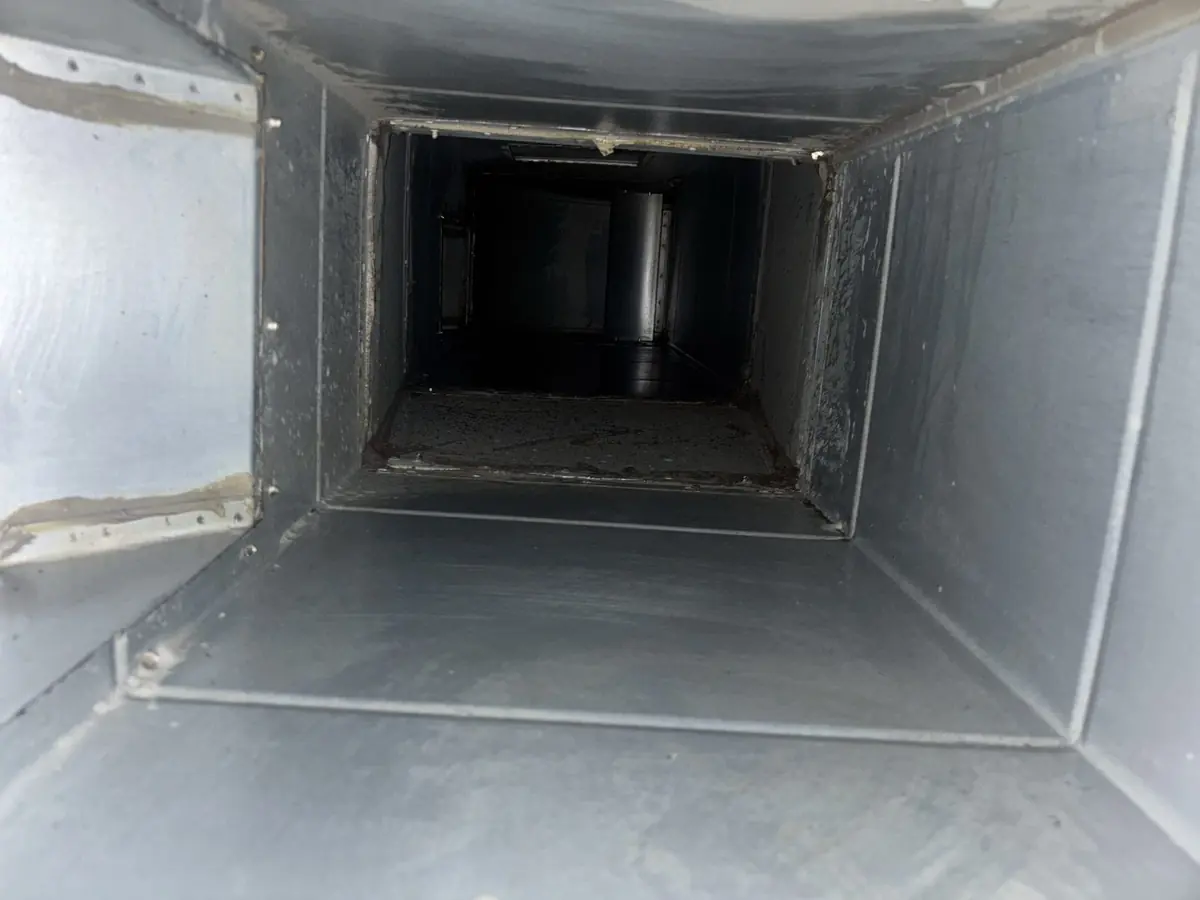
The phrase "TR19 regulations" is a slight misnomer, and understanding why is the key to understanding how kitchen extract compliance works in the UK. TR19 is a specification published by BESA, the Building Engineering Services Association; the kitchen extract element is TR19 Grease. It is guidance produced by an industry body, not a regulation made by Parliament or a government department. No inspector can prosecute you for breaching TR19 as such. Yet in every practical sense it operates as the rule, because the bodies with real power over your business have adopted it as their measure of what a competent operator does.
How guidance becomes binding
The law that applies to a commercial kitchen is written in general terms. The Regulatory Reform (Fire Safety) Order 2005 in England and Wales, and the Fire (Scotland) Act 2005 with the Fire Safety (Scotland) Regulations 2006, require the responsible person or duty holder to assess fire risk and take reasonable precautions. Food hygiene law requires premises to be kept clean and adequately ventilated. Neither says how often a duct must be cleaned or how clean it must be. That gap is filled by TR19 Grease, and three parties fill it in the same way.
| Who | How they use TR19 Grease | What happens if you fall short |
|---|---|---|
| Insurers and loss adjusters | Policy conditions commonly require cleaning "in accordance with TR19" or "to a recognised standard", with records kept | Claims after a fire are commonly reduced or refused where records are missing |
| Fire risk assessors and fire and rescue services | Use the TR19 frequency table and deposit limits to judge whether the extract risk is adequately managed | Deficiency recorded in the fire risk assessment; enforcement or prohibition notice in serious cases |
| Environmental health officers | Ask for the latest report as part of the structure and cleanliness element of a hygiene inspection | Lower hygiene rating; hygiene improvement notice where conditions are poor |
| Landlords, franchisors and auditors | Write TR19 compliance into leases, brand standards and supplier audits | Breach of lease or brand agreement |
What TR19 Grease actually requires
The specification is short on rhetoric and long on measurable requirements. The core of it is this:
- Scope. The whole system from the canopy and filters, through the plenum and every metre of ductwork, to the fan and the discharge point. Cleaning the visible hood alone does not meet it.
- Frequency. Set by hours of cooking a day: heavy use at twelve to sixteen hours calls for a clean every three months, moderate use at six to twelve hours every six months, and light use at two to six hours every twelve months. A competent person may vary these after a risk assessment, but the bands are the starting point.
- Measurement. Grease deposits are measured with a Wet Film Thickness Test or Deposit Thickness Test. A mean of 200 µm (microns) across the system is the point at which cleaning is required, and the post-clean readings must show the system has been returned to an acceptable level.
- Access. Enough access panels for every section to be cleaned and inspected; where they are absent, the contractor is expected to fit them or record the limitation.
- Competence. Technicians carrying out the work are expected to hold the BESA Grease Hygiene Technician qualification or equivalent.
- Documentation. A post-clean report with readings, photographs, access details, any uncleaned sections and the next due date.
The wider regulatory picture
TR19 Grease sits alongside several other documents that a fire risk assessor or insurer may cite. DW/172, also from BESA, covers the design and installation of kitchen ventilation systems, including access provision. RC44, published by the Fire Protection Association through RISCAuthority, is the insurers' own set of recommendations for fire risk assessment of catering extract ventilation. NAAD21 from NAADUK is an alternative industry guide with a similar approach; the TR19 vs NAAD21 guide compares them. The statutes themselves are covered in the legal requirements guide. Where a kitchen extract is relied on to control exposure to fumes, it may also count as local exhaust ventilation under the COSHH Regulations, which require a thorough examination and test at least every fourteen months.
Scotland, Wales and Northern Ireland
TR19 Grease applies UK-wide because it is an industry standard rather than national legislation. What changes across the border is the law that sits behind it: the Fire (Scotland) Act 2005 rather than the Fire Safety Order, the Food Hygiene Information Scheme rather than the Food Hygiene Rating Scheme, and the Care Inspectorate rather than the CQC for care settings. Wales shares the Fire Safety Order with England and uses CIW for care. Northern Ireland has its own fire safety legislation. The contractor's report looks the same wherever the kitchen is.
What this means for an operator
Treat TR19 Grease as though it were law, because everyone who can hurt your business already does. Know your usage band, keep to the interval, insist on a report that measures rather than asserts, and file it where you can find it at two in the morning after a fire. We arrange TR19 kitchen extract cleaning through vetted contractors anywhere in England and Scotland, and Wales through our three local sites; a quote for your kitchen is a short form away.
Read next: What Is TR19 Grease? · TR19 vs NAAD21 · Cleaning Frequency
Frequently asked questions
Can I be fined for not following TR19?
Not for TR19 itself, since it is not legislation. You can be prosecuted under fire safety law if a fire risk assessment is inadequate or fire precautions are not maintained, and an uncleaned extract system is a common finding in both. Fire safety offences carry unlimited fines and, in the most serious cases, imprisonment. TR19 Grease is the yardstick the court and the enforcing authority will use.
Is TR19 Grease the same as TR19?
TR19 is the umbrella name for BESA's ventilation hygiene specifications. Since 2019 the kitchen extract content has been published separately as TR19 Grease, while general ventilation ductwork is covered by TR19 Air. When an insurer or landlord writes "TR19" in a document about a kitchen, they mean TR19 Grease; the what is TR19 Grease guide explains the difference.
Does TR19 apply to a small cafe with one canopy?
Yes. The specification applies to any commercial kitchen extract system regardless of size, and the frequency depends on cooking hours rather than floor area. A cafe cooking for four hours a day falls into the light-use band and needs a clean every twelve months. Its insurer will expect the same certificate as a large restaurant, just less often.
Who checks that a contractor has followed TR19 Grease?
Nobody inspects every job. Contractors registered with BESCA's Vent Hygiene Elite scheme are audited and their post-clean reports sampled, which is why registration is a useful sign of competence. Beyond that, the check happens when the report is read by an insurer, an environmental health officer or a fire risk assessor, so the quality of the document is the quality of the compliance.