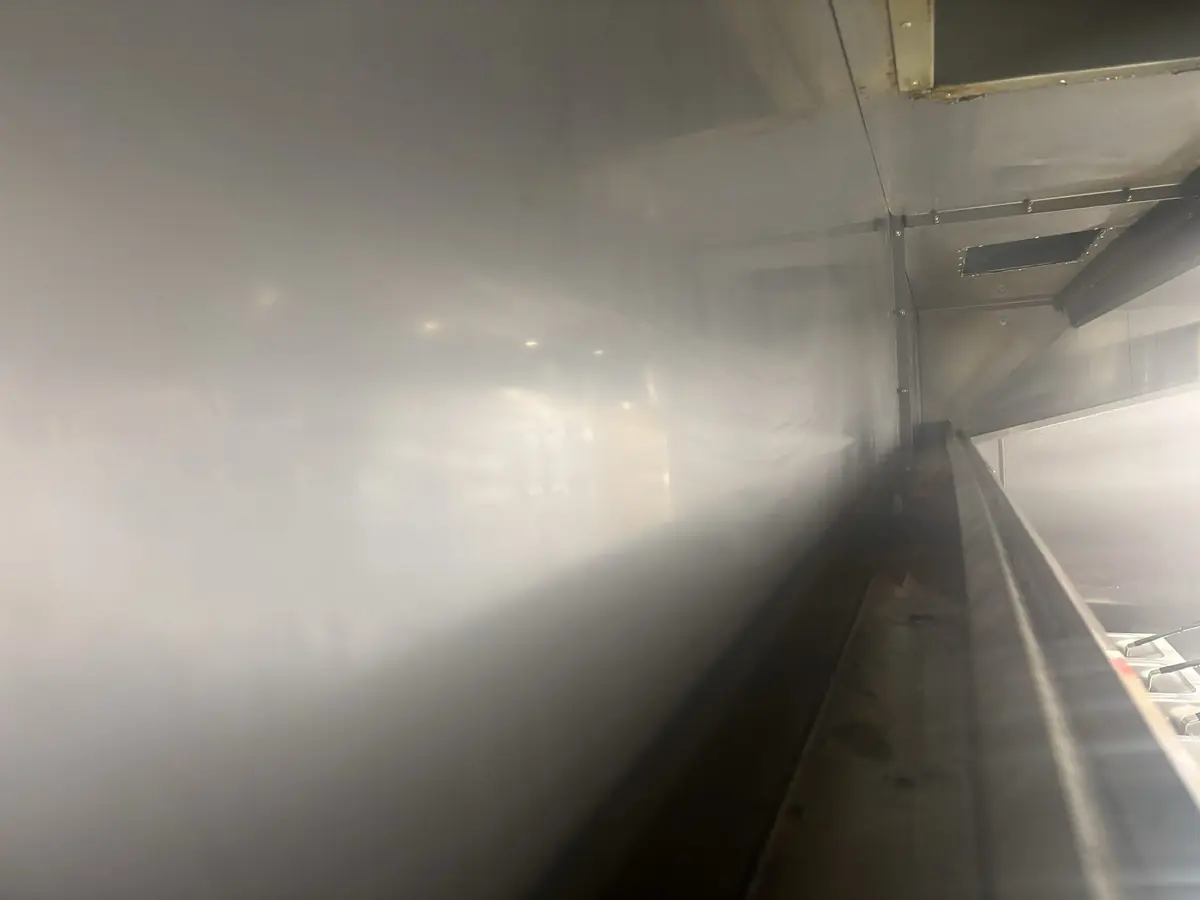
Pub kitchens vary more than any other sector. A gastropub with a chargrill and a full menu from midday to ten at night is a heavy-use kitchen and needs a TR19 clean every three months. A community local serving lunches and a Sunday roast is moderate use at six months. A wet-led bar with a small fryer for bar snacks a few hours a day may be light use at twelve. The mistake is to assume that because the kitchen is small the extract can be ignored; a compact fryer-led kitchen under a low ceiling with a short duct run can build grease faster than a large one, and pub duct fires are well known to every fire and rescue service.
Who is responsible: tenant, operator or landlord
This is the question we are asked most often by publicans, and the answer depends on how the pub is held.
| How the pub is held | Who usually arranges and pays | Where to check |
|---|---|---|
| Tenanted or leased from a pub company | The tenant or lessee, who controls the premises and is normally the responsible person under fire safety law | The repairs and maintenance schedule in the agreement; some pub companies require the certificate on request or at rent review |
| Managed house | The operating company, usually through its estates or facilities team on a group schedule | Head office, before booking anything yourself |
| Free house | The owner-operator, who is landlord and tenant in one | Your own insurance schedule and fire risk assessment |
Whatever the structure, the party whose insurance covers the kitchen needs the certificate. A pub company's block policy and a tenant's own contents and liability cover may both carry an extract-cleaning condition, and a loss adjuster will ask each side for it. The insurance requirements guide explains how those conditions are worded.
Kitchens reopened after refurbishment or closure
Pubs change hands and change format constantly, and a common pattern is a new kitchen fitted into an old building. A refurbishment often replaces the canopy and cooking line but leaves the original ductwork and fan in place, sometimes with years of deposit inside and no access panels. A kitchen that has been shut for months may have a fan seized with congealed grease. Before reopening, or before taking on a tenancy, a TR19 inspection with grease readings will tell you what you are inheriting, and if the system is already over the 200 µm trigger you can negotiate the clean as part of the deal rather than discover it later.
Timing the work
Pub trading hours make daytime cleaning difficult, so the contractors we arrange work after last orders or on a closed day, and they are used to finishing before the cellar delivery arrives. The work takes in the hood and plenum, the filters, every metre of duct to the outlet, the fan and the discharge cowl, and the readings are recorded before and after. The contractor we send is BESA-qualified and CHAS-accredited, holds full insurance, and will issue the TR19 certificate and photo report once the job is finished, which is the document your pub company or insurer will ask to see.
Multiple sites and costs
Operators with a handful of pubs, and tenants who hold more than one agreement, can put the whole estate on a contract schedule with reminders before each due date and one evidence file. A single pub kitchen with a duct run typically costs between £500 and £900 to clean, depending on the length of the duct, the fan position and the condition of the system; the cost guide has more detail, and the frequency guide helps place a pub kitchen in the right band. Ask us for a quote and we will find a contractor who knows pubs.
Related services: Kitchen Extract Cleaning · Canopy Cleaning · Ductwork Cleaning · Extractor Fan Cleaning
Frequently asked questions
My pub company says extract cleaning is my job as tenant. Can I check that?
Yes. Look at the repairs and maintenance obligations in your tenancy or lease agreement; most pub company agreements list kitchen equipment and extraction among the items the tenant maintains. If the agreement is silent, the general position is that the person who controls the premises and the cooking is the responsible person under fire safety law, which is the tenant. Your business development manager will confirm it.
We only do bar snacks. Do we still need a TR19 clean?
If there is a canopy and a duct, yes, but the interval may be twelve months rather than three or six. Light use under TR19 Grease is two to six cooking hours a day. The grease readings at the first visit will confirm the band, and a kitchen doing chips and burgers for a few hours each evening sometimes turns out to be moderate use rather than light.
The kitchen has just been refitted. Is the extract covered by the fit-out?
Only if the contract included the ductwork and fan, and it often does not. Ask the fitter for a handover pack showing what was replaced and where the access panels are. If the duct and fan are original, arrange an inspection or a full clean before opening so that the new kitchen starts with a clean system and a certificate dated from the reopening.
Can the work be done between last orders and opening?
Usually, yes. A typical pub kitchen with one canopy and a short run is cleaned overnight, and the contractor will leave the kitchen dry and reassembled for the morning. A long run through the upper floors or a fan on the roof may need a closed day. The contractor will tell you what is realistic when they quote.