A hotel is not one kitchen. A full-service property may have a main kitchen behind the restaurant, a separate banqueting kitchen for conferences and weddings, a room-service and breakfast kitchen running from early morning until late, a staff canteen, and a cafe by the pool or spa. Each has its own canopy and, often, its own duct run and fan, and each sits in a different TR19 usage band. The main kitchen in a busy city hotel is heavy use and needs cleaning every three months; the banqueting kitchen may be moderate use at six months for most of the year and heavy during the Christmas party season; the staff canteen may be light use at twelve. Treating them all the same wastes money on one and leaves another overdue.
Why hotel ductwork is different
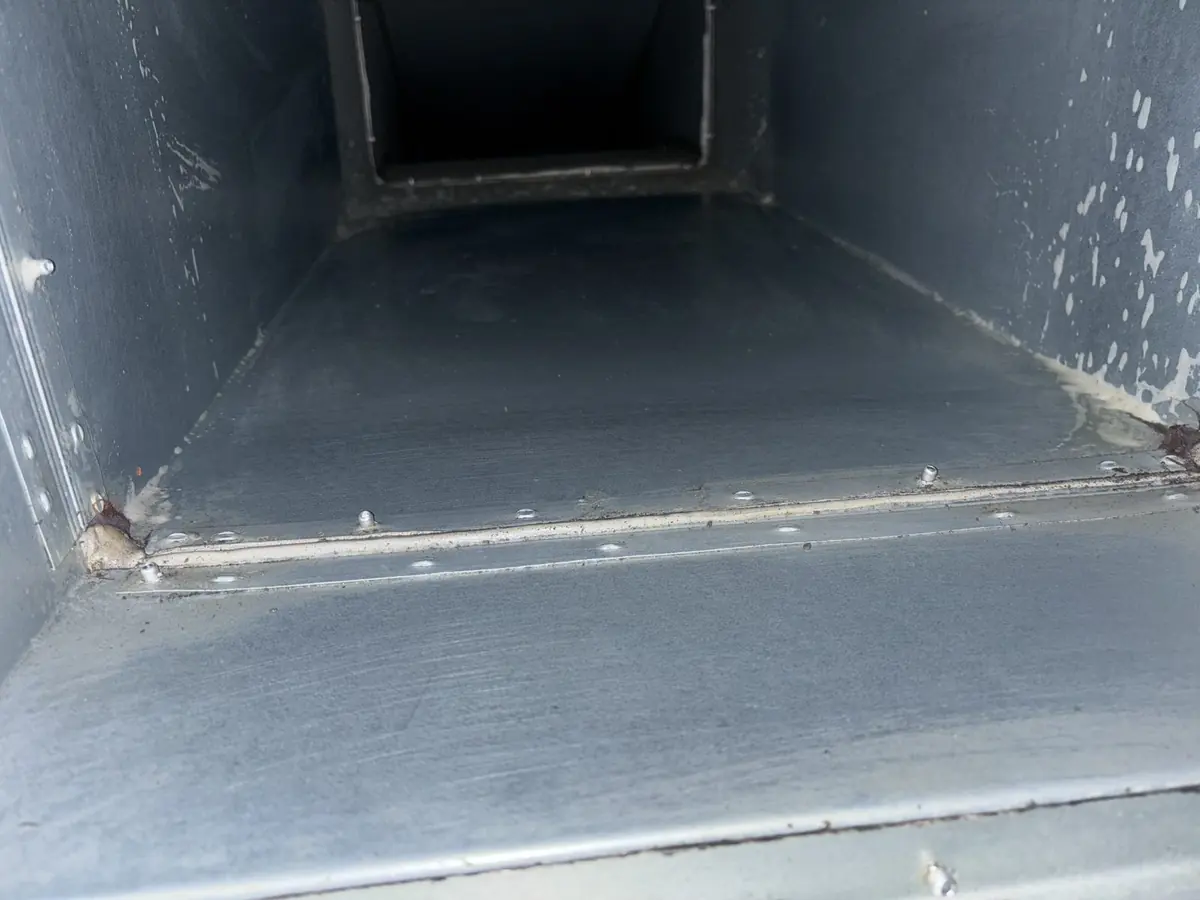
Hotel extract systems tend to be long, vertical and buried. A ground-floor kitchen may vent through a riser that passes several floors of bedrooms before reaching a plant room or a roof-mounted fan, with the duct hidden behind finished corridors. That is the configuration fire and rescue services worry about most, because guests are asleep on the floors the duct passes through. It is also the configuration where access panels are most often missing. The contractors we arrange are used to working with a hotel's maintenance team to trace runs, gain roof and plant-room access and fit panels where none exist, and the ductwork cleaning page describes what a long-run clean involves.
Working around a 24-hour operation
There is no closed day in a hotel, so the clean is phased. The main kitchen is typically done between the end of dinner service and the start of breakfast prep, with room-service cooking moved temporarily to another kitchen. The banqueting kitchen is done on a day with no events, which the events team can identify weeks ahead. Roof fans and plant rooms can often be cleaned during the day without disturbing guests. A hotel with four kitchens might see the contractor over two or three nights on a rolling plan, and a contract schedule fixes that plan for the year with reminders before each visit.
| Hotel kitchen | Typical pattern | TR19 band | Clean every |
|---|---|---|---|
| Main restaurant kitchen | Breakfast to late dinner, seven days | Heavy | 3 months |
| Banqueting and conference kitchen | Event-driven, seasonal peaks | Moderate, heavy in peak season | 6 months, reviewed |
| Room service and breakfast kitchen | Early until late, lighter load | Moderate | 6 months |
| Staff canteen, spa or pool cafe | A few hours a day | Light | 12 months |
Brand standards, insurers and inspectors
Hotels answer to more auditors than most food businesses. A franchised or managed brand will check extract cleaning records during its property audits. The insurer, often covering the building and business interruption as well as contents, will have set a cleaning condition, and a loss adjuster after a fire in a hotel with two hundred sleeping guests will scrutinise every certificate; the insurance guide explains why. The environmental health officer inspects each kitchen as a food business, and the fire safety inspector looks at the ductwork as part of the building's fire strategy. One evidence file per property, with the TR19 certificate, photographs and grease readings for every kitchen, answers all of them.
What we arrange
We match hotels with contractors who can handle multi-kitchen properties, phase the work and coordinate with the maintenance manager. Our partner contractors are BESA-qualified and CHAS-accredited, carry full insurance, and issue the certificate and before-and-after photo report for every kitchen cleaned. Costs depend on the number of kitchens and canopies, the length of the duct runs and the roof or plant-room access involved; a large hotel typically sits between £900 and £2,000 or more for a full clean of the property, and the cost guide sets out the ranges. For a hotel group, we consolidate the schedule across properties. Request a hotel quote and tell us how many kitchens you have.
Related services: Kitchen Extract Cleaning · Canopy Cleaning · Ductwork Cleaning · Extractor Fan Cleaning
Frequently asked questions
Can all our kitchens be cleaned on the same night?
Rarely, and it is usually not the best plan. Cleaning every kitchen at once removes your ability to move room-service or breakfast cooking to another line while one is out of action. Most hotels phase the work over two or three nights, or clean the main kitchen and the banqueting kitchen on different dates, so that guests never notice.
Our duct runs past bedrooms. Will guests be disturbed?
The contractor works inside the duct from access panels in service corridors, plant rooms and the roof, not from bedrooms, and the noisiest part is the fan, which is normally on the roof or in a plant room. Where a panel has to be opened in a guest corridor, the work is timed for the daytime when rooms are empty, and the plan is agreed with your duty manager.
The hotel is managed for an owner. Who arranges the clean?
Normally the management company, as the operator responsible for the premises and the party the brand audits, but the owner's insurer may also require the certificate. Check the management agreement and the insurance schedule; in most cases the management company arranges the clean and copies the certificate to the owner. We can have the report addressed to both.
Do banqueting kitchens really need cleaning if they are only used for events?
They still accumulate grease during each event, and a busy December can see a banqueting kitchen work harder than the main restaurant. The contractor takes readings at each visit; if the deposit is well under the trigger at six months, the interval holds, and if the peak season pushes it over, an extra clean is booked. The readings, not the calendar, decide.